
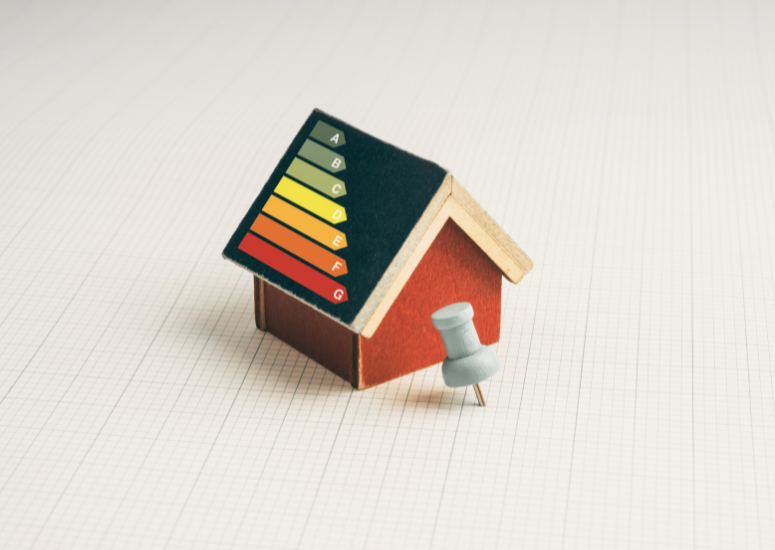
Buying a home involves much more than finding the perfect location or negotiating the best price. One important detail that many buyers overlook is the property’s EPC Ratings. While it may seem like just another document in the buying process, an Energy Performance Certificate (EPC) can provide valuable insights into a home’s energy efficiency, future running costs, and even your mortgage options.
With energy prices remaining a key concern for UK households, understanding EPC Ratings has become more important than ever. Whether you’re a first-time buyer, moving home, or investing in property, knowing what an EPC tells you can help you make a more informed decision.
What Are EPC Ratings?
An Energy Performance Certificate measures how energy efficient a property is. Every home in the UK that is sold or rented must have a valid EPC, with ratings ranging from A (most efficient) to G (least efficient).
The certificate estimates how much it will cost to heat and power the property and provides recommendations for improvements that could make the home more energy efficient. It also includes an environmental impact rating based on the property’s carbon emissions.
Understanding these ratings allows buyers to compare properties not only by price and location but also by their long-term running costs.
For more information about Energy Performance Certificates, the Energy Saving Trust offers practical guidance for homeowners and buyers.
Why EPC Ratings Matter When Buying a Home
Many buyers focus primarily on their monthly mortgage payments, but the overall cost of owning a property extends far beyond that.
A home with a higher EPC rating is generally more energy efficient, meaning it may require less heating and electricity to maintain a comfortable temperature. Over time, this can lead to lower household energy bills and improved comfort throughout the year.
On the other hand, properties with lower EPC ratings may require additional investment in insulation, heating systems, or windows to improve efficiency.
Considering these future costs before purchasing a property can help you budget more accurately and avoid unexpected expenses.
Can EPC Ratings Affect Your Mortgage?
While an EPC rating isn’t the only factor lenders consider, it’s becoming increasingly relevant within the mortgage market.
Some lenders now offer products specifically designed for energy-efficient homes, often referred to as green mortgages. Depending on the lender, buyers purchasing properties with higher EPC Ratings may benefit from incentives such as reduced interest rates, cashback offers, or lower product fees.
Although eligibility criteria vary, the growing availability of these products underscores the growing importance of energy efficiency in the housing market.
If you’re exploring mortgage options, our Mortgage Services team at Credas Financial can help you compare products that suit your circumstances.
Improving a Property’s EPC Rating
Not every home starts with an excellent EPC rating, but many properties can be improved.
Simple upgrades such as installing loft insulation, replacing old boilers with energy-efficient models, upgrading to double or triple glazing, and fitting low-energy lighting can all improve energy performance.
Larger improvements, including solar panels or heat pumps, may also increase efficiency while reducing long-term energy costs.
Improving a property’s EPC rating may not only enhance your living environment but could also increase its appeal to future buyers.
Looking Beyond the Purchase Price
It’s easy to focus on securing the right property at the right price, but ongoing running costs should also be part of your decision-making process.
A home with a slightly higher purchase price but excellent energy efficiency may prove more affordable over time than a cheaper property with poor insulation and higher utility bills.
Looking at the complete financial picture helps ensure you’re making a sustainable investment rather than simply choosing the lowest asking price.
The Financial Conduct Authority (FCA) also encourages borrowers to understand the full cost of homeownership before taking out a mortgage.
Why Professional Mortgage Advice Matters
Mortgage products continue to evolve alongside changing energy standards and government initiatives.
An experienced mortgage adviser can help you understand how different lenders assess applications, explain whether energy-efficient properties may offer additional benefits, and identify mortgage solutions that suit your financial goals.
At Credas Financial, we take the time to understand your individual circumstances and guide you through every stage of the mortgage process, helping you make confident, informed decisions.
Conclusion
Choosing a home is about more than location and price. EPC Ratings provide valuable information about a property’s energy efficiency, future running costs, and, in some cases, access to specialist mortgage products.
As energy efficiency becomes an increasingly important consideration for homeowners and lenders alike, understanding EPC Ratings can help you make smarter property decisions and plan for long-term savings.
If you’re preparing to buy a home or remortgage your existing property, the team at Credas Financial is here to help you explore your mortgage options with confidence.
Disclaimer
The information in this article is provided for general guidance only and does not constitute financial or mortgage advice. Mortgage products, lending criteria, eligibility, and incentives vary between providers and depend on your individual circumstances. We recommend speaking with a qualified adviser at Credas Financial before making any mortgage or property-related decisions.