
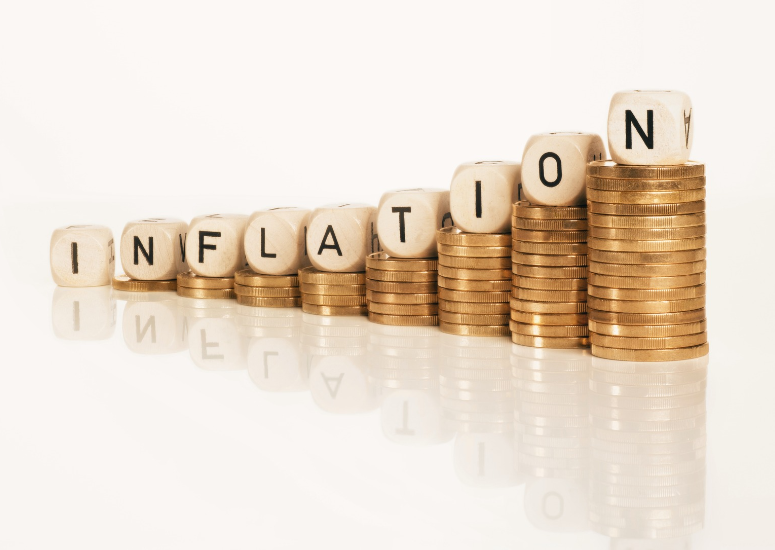
Inflation and Mortgages are more closely connected than many homeowners realise. When the cost of everyday goods and services rises, it can affect household budgets, interest rates and, in some circumstances, the cost of borrowing. Understanding this relationship can help you prepare for changes to your mortgage payments.
What Is Inflation?
Inflation means that prices are rising over time, reducing the purchasing power of money. For example, if your household bills, food and transport costs increase, you may have less money available for other expenses, including your mortgage.
The Bank of England aims to keep inflation at 2% over the medium term. One of its main tools for controlling inflation is Bank Rate. When inflationary pressures increase, the Bank may raise interest rates to reduce spending and bring price growth under control.
How Inflation and Mortgages Are Connected
Inflation and Mortgages are linked mainly through interest rates. When the Bank of England changes Bank Rate, lenders may adjust the rates they offer on mortgages and other borrowing.
This does not mean every mortgage payment changes immediately. If you have a fixed-rate mortgage, your interest rate normally stays the same until your fixed period ends. However, borrowers with tracker or some variable-rate mortgages may see their payments change when interest rates move.
Could Inflation Make Your Mortgage More Expensive?
One of the biggest concerns for homeowners is what happens when a fixed-rate deal ends. If available mortgage rates are higher than your current rate, your new monthly payment could increase.
At the same time, inflation can increase other household expenses. Higher energy bills, food costs and other living expenses may reduce the amount of money available for mortgage repayments.
This is why it’s important to look at your overall budget rather than focus only on the mortgage rate. Money Helper recommends considering your income, regular spending and other debts when assessing mortgage affordability.
What Can Homeowners Do?
If your mortgage deal is coming to an end, it can be useful to start reviewing your options early. You may be able to secure a new deal before your existing fixed rate expires, depending on the lender and available products.
It is also worth reviewing your household budget. Understanding how much you could comfortably afford if your mortgage payment increased can help you make a more informed decision.
If you are considering changing your mortgage, our mortgage advice services can help you explore your options based on your circumstances.
Can Inflation Affect New Homebuyers?
Inflation and Mortgages can also matter if you are planning to buy a home. Rising household costs may affect affordability calculations because lenders look at income and regular expenditure when assessing applications.
Before making an offer, it is sensible to consider not only the mortgage payment but also council tax, insurance, utilities, maintenance and everyday living costs.
Plan Ahead for Changing Costs
Inflation and Mortgages are connected through the wider economy, particularly interest rates and household affordability. While nobody can predict exactly where mortgage rates will go, planning ahead can make it easier to manage changes.
Review your budget regularly, understand when your current mortgage deal ends and seek professional guidance if you are unsure about your options. Being prepared can help you make confident mortgage decisions, even when economic conditions change.
Disclaimer
The information in this article is for general guidance only and does not constitute financial or mortgage advice. Mortgage products, rates, fees and eligibility criteria vary between providers and depend on individual circumstances. We recommend speaking with a qualified adviser at Credas Financial before making any mortgage or financial decisions.